Window Operator Installation Guide: A Complete Step-by-Step Tutorial
Installing window operators correctly is essential for ensuring smooth operation, safety, and longevity of your windows. Whether you're a DIY enthusiast or a professional contractor, this comprehensive guide will walk you through the process of installing different types of window operators.
Types of Window Operators
Before beginning installation, it's important to understand the type of window operator you're working with:
1. Casement Window Operators
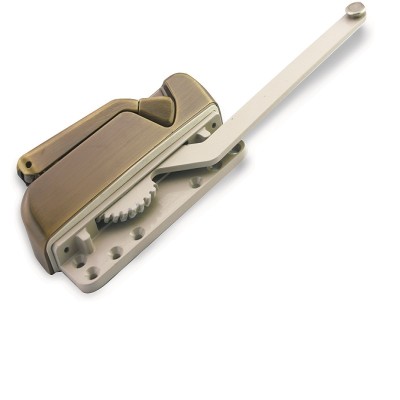
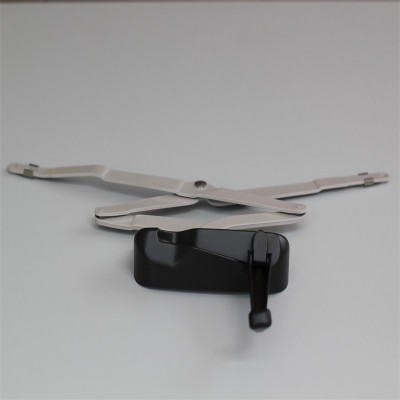
Casement window operators are designed for windows that open outward with a crank mechanism. They provide excellent ventilation control and are popular in residential applications.
2. Awning Window Operators
Awning operators are similar to casement operators but are mounted at the top of the window, allowing the window to open outward from the bottom. They're ideal for rainy climates as they can remain open during light rain.
3. Hopper Window Operators
Hopper operators are used for basement windows or other applications where the window opens inward from the top. They provide secure ventilation while maintaining privacy.
Tools and Materials Needed
Before starting the installation, gather the following tools:
- Screwdriver set (Phillips and flathead)
- Drill with appropriate bits
- Measuring tape
- Level
- Pencil or marker
- Safety glasses
- Window operator kit (including mounting brackets and hardware)
Step-by-Step Installation Process
Step 1: Remove the Old Operator (if replacing)
If you're replacing an existing window operator:
1. Open the window fully to access the operator
2. Remove any screws holding the operator to the window frame
3. Disconnect the operator arm from the sash
4. Carefully remove the old operator mechanism
Step 2: Prepare the Window Frame
1. Clean the area where the new operator will be mounted
2. Fill any old screw holes with wood filler if necessary
3. Allow filler to dry completely before proceeding
4. Sand smooth if needed
Step 3: Position the New Operator
1. Hold the new operator against the window frame in the desired position
2. Ensure the operator arm will properly connect to the sash when closed
3. Use a level to ensure the operator is straight
4. Mark the mounting hole locations with a pencil
Step 4: Drill Pilot Holes
1. Select a drill bit slightly smaller than the mounting screws
2. Drill pilot holes at the marked locations
3. Be careful not to drill too deep, especially in vinyl or aluminum frames
4. Clean away any debris
Step 5: Mount the Operator Base
1. Align the operator base with the pilot holes
2. Insert mounting screws and tighten securely
3. Do not overtighten, as this may strip the holes or damage the frame
4. Verify the operator is firmly attached
Step 6: Install the Operator Arm
1. Close the window sash completely
2. Attach the operator arm to the sash bracket
3. Ensure the arm moves freely without binding
4. Test the connection by operating the crank
Step 7: Adjust and Test
1. Open and close the window several times using the operator
2. Check for smooth operation throughout the full range of motion
3. Adjust the arm position if necessary for optimal performance
4. Verify the window locks properly when closed
Troubleshooting Common Issues
Window Won't Open Fully
- Check if the operator arm is properly aligned
- Verify there are no obstructions in the window track
- Adjust the mounting position if needed
Operator Feels Stiff or Difficult to Turn
- Apply lubricant to moving parts
- Check for proper alignment of all components
- Ensure screws are tight but not overtightened
Window Doesn't Stay Closed
- Verify the operator arm is properly seated in the closed position
- Check the window lock mechanism
- Adjust the operator arm length if adjustable
Maintenance Tips
To ensure your window operator continues to function properly:
- Clean the mechanism quarterly with a soft cloth
- Apply silicone lubricant to moving parts annually
- Check and tighten mounting screws yearly
- Inspect the operator arm for wear or damage
Safety Considerations
Always prioritize safety during installation:
- Wear safety glasses when drilling
- Use proper ladder safety if working at height
- Ensure the window is properly supported during installation
- Keep children and pets away from the work area
When to Call a Professional
While many window operator installations can be completed as DIY projects, consider professional help if:
- The window frame is damaged or rotted
- You're working with large or heavy windows
- The installation involves electrical components (for motorized operators)
- You're unsure about any step of the process
Conclusion
Proper installation of window operators is crucial for window functionality and longevity. By following this guide and taking your time with each step, you can achieve professional-quality results. Remember that different window types and operator brands may have specific requirements, so always consult the manufacturer's instructions for your particular model.
For high-quality window operators and hardware, visit SMO Hardware at www.smohardware.com. Our extensive selection includes manual and motorized operators for all window types, backed by expert technical support.
---
About SMO Hardware: SMO Hardware is a leading manufacturer and supplier of window and door hardware, specializing in window operators, hinges, locks, and accessories. With years of industry experience, we provide reliable products for residential, commercial, and industrial applications worldwide.