Window Locking Systems: A Complete Guide to Security Hardware
Introduction to Window Locking Systems
Window locks are essential security components that protect homes and buildings from unauthorized entry while ensuring the safety of occupants. Beyond basic security, modern window locking systems offer features like child safety, ventilation control, and emergency egress capabilities. Understanding the various types of window locks and their applications is crucial for homeowners, contractors, and security professionals.
At SMO Hardware, we manufacture a comprehensive range of window locking solutions designed to meet diverse security needs. This guide explores the different locking systems available, their features, installation considerations, and best practices for maintaining window security.
Types of Window Locks
Casement Window Locks
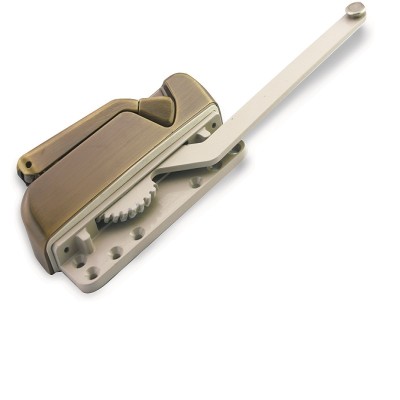
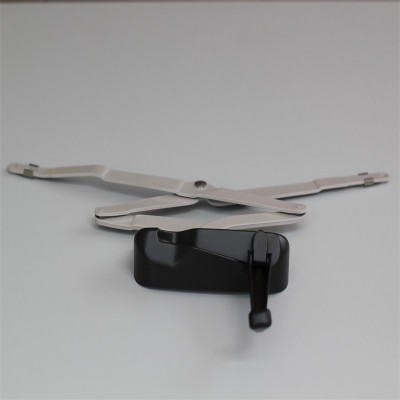
Casement windows, which open outward on hinges, require specialized locking mechanisms that secure the sash to the frame at multiple points. These locks are typically operated by a single handle that controls several locking points simultaneously.
Key Features:
- Multi-point locking for enhanced security
- Single-handle operation for convenience
- Shoot bolts that engage at top and bottom of frame
- Hook locks that resist forced entry
- Available in key-locking and non-keying versions
Sliding Window Locks
Sliding windows move horizontally along tracks and require locks that prevent both horizontal movement and vertical lifting. These locks must accommodate the unique movement patterns of sliding sashes while providing robust security.
Common Types:
- Twist locks: Simple rotating mechanism that blocks sash movement
- Pin locks: Metal pins that insert through both sashes
- Keyed locks: Provide keyed access control for enhanced security
- Ventilation locks: Allow limited opening for airflow while maintaining security
Awning and Hopper Window Locks
Awning windows (hinged at top) and hopper windows (hinged at bottom) require locks that can secure the sash against the frame while accommodating their unique opening angles. These locks must be accessible for operation while providing reliable security.
Features:
- Side-mounted or face-mounted designs
- Compression seals for weatherproofing
- Quick-release options for emergency egress
- Hold-open features for ventilation
Double-Hung Window Locks
Traditional double-hung windows feature two vertically moving sashes and require locks that secure both sashes together or to the frame. These locks have evolved from simple sash locks to sophisticated multi-point systems.
Lock Types:
- Fitch fasteners: Traditional swivel-style locks
- Sash locks: Cam-action locks that pull sashes together
- Tilt latches: Allow sash tilting for cleaning while securing against removal
Multi-Point Locking Systems
How Multi-Point Locks Work
Multi-point locking systems engage at several locations around the window sash simultaneously, providing superior security compared to single-point locks. When the handle is operated, a series of bolts or hooks engage with keeps installed in the window frame.
Benefits:
- Distributed locking force resists forced entry attempts
- Improved weather sealing through even compression
- Enhanced structural integrity of the window
- Reduced stress on individual locking points
Components of Multi-Point Systems
A typical multi-point locking system includes:
- Central gearbox: The control mechanism operated by the handle
- Shoot bolts: Vertical bolts that engage at top and bottom
- Deadbolts: Horizontal locking points along the sash
- Hook bolts: Curved bolts that resist prying forces
- Keeps/strikes: Frame-mounted receivers for the locking points
Security Ratings and Standards
Understanding Security Standards
Window locks are tested against various security standards that assess their resistance to forced entry. Understanding these ratings helps in selecting appropriate locks for different security requirements.
Common Standards:
- PAS 24: UK standard for enhanced security performance
- Secured by Design: Police-preferred specification
- ASTM F2090: US standard for window fall prevention devices
- EN 1627-1630: European standards for burglar resistance
Security Levels
Window locks are generally categorized by security level:
- Level 1 (Basic): Standard residential security
- Level 2 (Enhanced): Improved resistance to casual break-in attempts
- Level 3 (High): Professional-grade security for vulnerable locations
- Level 4 (Maximum): Maximum security for high-risk applications
Child Safety and Fall Prevention
Window Opening Control Devices (WOCD)
Window opening control devices limit how far a window can open, preventing children from falling out while still allowing ventilation. These devices are increasingly required by building codes for windows in residential buildings.
Types of WOCD:
- Cable restrictors: Flexible cables that limit opening distance
- Hinge restrictors: Built into hinges to limit opening angle
- Locking restrictors: Key-operated devices for temporary release
- Integrated systems: Built into the window locking mechanism
Code Requirements
Many jurisdictions require fall prevention measures for windows:
- Windows within 72 inches of the floor must have opening limits
- Maximum opening typically limited to 4 inches
- Quick-release capability required for emergency egress
- Devices must be robust enough to resist child tampering
Material and Finish Options
Lock Body Materials
Quality window locks use durable materials that resist corrosion and wear:
- Zinc alloy: Common for lock bodies, good strength-to-cost ratio
- Stainless steel: Superior corrosion resistance for coastal areas
- Aluminum: Lightweight, corrosion-resistant, often anodized
- Brass: Traditional appearance with good durability
Finish Options
Locks are available in various finishes to match window hardware:
- White: Standard for white uPVC windows
- Anodized aluminum: Matches aluminum window frames
- Powder coated: Custom colors to match specific requirements
- Polished chrome: Modern aesthetic for contemporary designs
- Brushed nickel: Subtle, sophisticated appearance
Installation Best Practices
Pre-Installation Considerations
Proper lock installation begins with careful planning:
- Verify lock compatibility with window type and profile
- Check for adequate frame depth for lock body
- Ensure proper alignment between sash and frame
- Confirm handle operation won't interfere with blinds or curtains
Installation Steps
Multi-Point Lock Installation:
- Mark lock body position on sash edge
- Route or mill recess for lock body if required
- Install lock body and secure with screws
- Mark and install keeps in frame at correct positions
- Adjust locking points for proper engagement
- Test operation through full range
Adjustment and Testing
After installation, verify proper function:
- All locking points engage smoothly
- Handle operates without excessive force
- Sash compresses weatherstrip evenly when locked
- No binding or rubbing during operation
- Emergency release functions correctly (if applicable)
Maintenance and Troubleshooting
Regular Maintenance
Keep window locks functioning properly with regular care:
- Clean lock mechanisms annually with appropriate solvent
- Lubricate moving parts with graphite or silicone-based lubricant
- Check and tighten mounting screws periodically
- Inspect keeps for wear or damage
- Test all locking points for proper engagement
Common Issues and Solutions
Lock Won't Engage:
- Check for frame or sash warping
- Verify keeps are properly aligned
- Clean and lubricate mechanism
- Adjust locking point positions if adjustable
Handle Difficult to Operate:
- Lubricate gearbox and moving parts
- Check for obstructions in mechanism
- Verify proper alignment of locking points
- Replace worn components if necessary
Lock Engages but Doesn't Secure:
- Adjust keep positions for tighter engagement
- Check for worn locking points or keeps
- Verify frame and sash are properly aligned
- Consider upgrading to higher-security components
Choosing the Right Window Lock
Security Requirements
Assess your security needs based on:
- Location (ground floor, accessible from flat roof, etc.)
- Local crime rates and security concerns
- Insurance requirements
- Building code specifications
Window Type Compatibility
Ensure the lock is designed for your window type:
- Casement windows require different locks than sliding windows
- Consider the direction of opening (left-hand vs right-hand)
- Verify profile compatibility for uPVC or aluminum windows
- Check for interference with existing hardware
Additional Features
Consider optional features that may be beneficial:
- Key-locking for enhanced security
- Child safety restrictors
- Emergency egress capability
- Integration with home security systems
- Smart lock connectivity
The SMO Hardware Advantage
SMO Hardware offers a comprehensive range of window locking solutions engineered for security and reliability:
- Multi-point systems: 2-point to 5-point locking configurations
- Material quality: 304/316 stainless steel and zinc alloy options
- Security ratings: Products meeting PAS 24 and Secured by Design standards
- Child safety: Integrated WOCD options available
- Customization: OEM/ODM services for specialized applications
- Testing: 50,000+ cycle testing for durability assurance
- Global compliance: CE marking, ANSI compliance options
Conclusion
Window locks are critical components that provide security, safety, and peace of mind. By understanding the different types of locks available, their features, and proper installation techniques, you can ensure your windows provide the protection your home or building requires.
Investing in quality locking systems from reputable manufacturers like SMO Hardware pays dividends through enhanced security, reduced maintenance, and long-term reliability. Whether you're securing a new installation or upgrading existing windows, choosing the right locks is an investment in safety and security.
For specification assistance or to explore our complete range of window locking solutions, visit www.smohardware.com or contact our technical team for personalized recommendations.